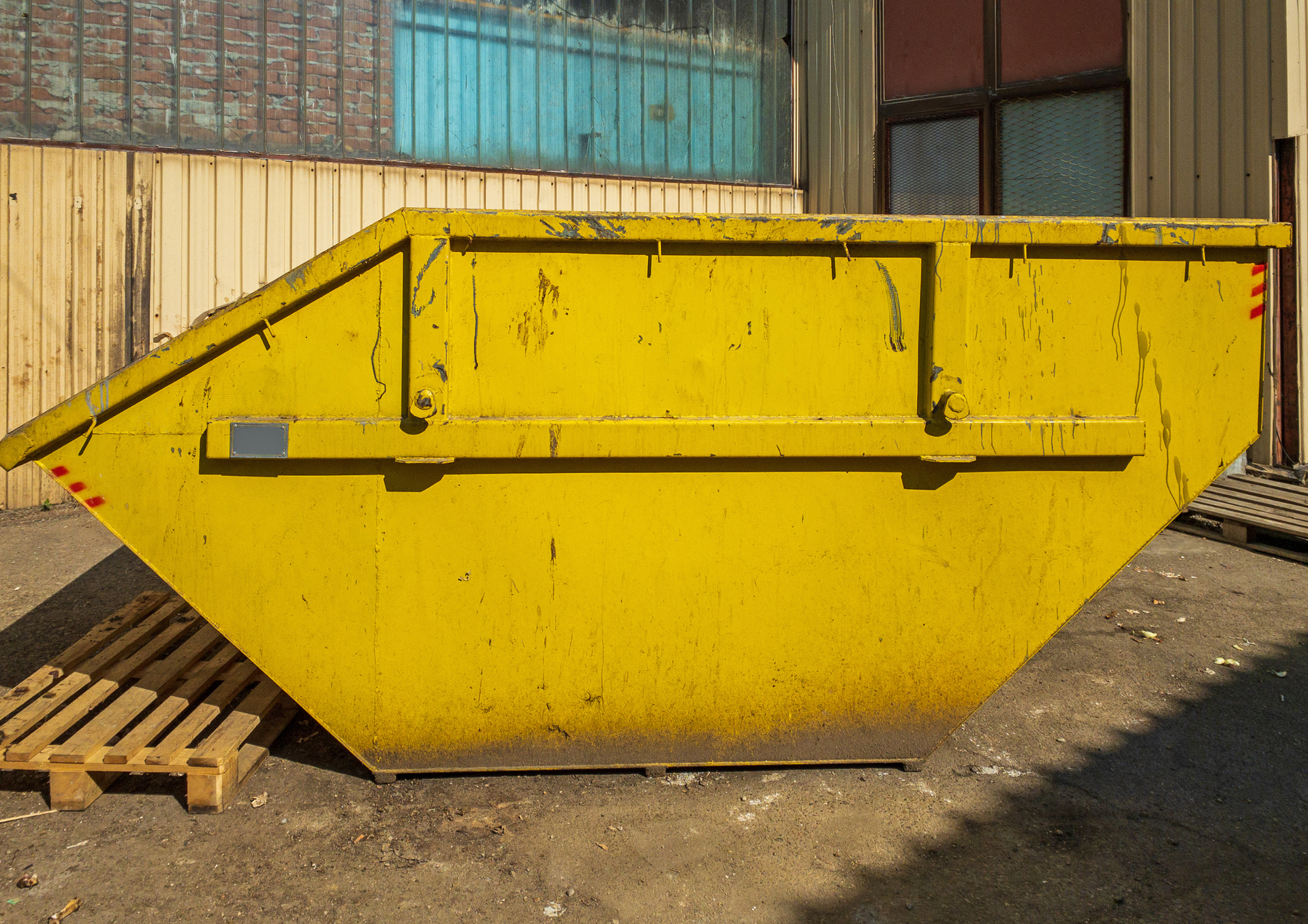

Understanding Skips and Choosing the Right Size for Your Project
Choosing an appropriate waste container can make a considerable difference to how efficiently a clearance, renovation or building project progresses. Containers that are too small may fill before the work is finished, while choosing considerably more capacity than necessary can leave customers paying for space they never use. Understanding the different skips available and considering the likely volume and type of waste before booking can therefore make waste management considerably easier.
This is relevant to homeowners clearing rooms or gardens, landlords preparing properties between tenancies, surveyors overseeing refurbishment work and local authorities responsible for various sites. The same principles also apply to commercial premises, offices, shops and construction projects where larger quantities of material may need to be removed.
Although size names provide a useful starting point, the most suitable option depends on more than the scale of the property. The work being completed, available placement space, type of material and expected waste volume should all be considered. Planning these details beforehand provides a clearer basis for choosing suitable capacity and helps keep the site organised throughout the project.
Smaller Options for Household Clearances and Light Projects
Smaller containers can be particularly practical when the amount of waste is limited or available placement space is restricted. They provide useful capacity without occupying the space associated with larger alternatives. Customers should still estimate their waste carefully, as even relatively small household projects can produce more material than initially expected.
Household Decluttering
- Clearing cupboards, spare rooms or selected areas of a property may only generate a modest amount of unwanted material.
- Smaller capacity can be practical when removing old household items, packaging and general clutter.
- Sorting belongings before booking makes it easier to estimate how much space will actually be required.
- Customers should consider bulky items separately because their shape can occupy considerable room even when there are relatively few of them.
Garden Maintenance
- Seasonal garden work can produce branches, hedge cuttings, plants and other outdoor material.
- Smaller containers can work well for targeted garden improvements rather than complete landscaping projects.
- Breaking larger branches down where practical can make more efficient use of the available capacity.
- Soil and other heavy materials require additional consideration because weight can become important before the container appears physically full.
Small DIY Tasks
- Decorating, minor repairs and individual room improvements may generate old fittings, packaging and removed materials.
- Estimating waste before work begins helps prevent unnecessary interruptions once the project is underway.
- Keeping the container reasonably close to the working area can make disposal more convenient where access permits.
- Customers should confirm whether particular materials need to be handled separately before loading begins.
When Compact Capacity Makes Sense
For customers considering mini skips, the main advantage is having a manageable waste solution for projects that do not justify a larger container. They can be particularly useful where driveway or site space is limited, although customers should still consider the entire project rather than simply choosing the smallest available option.
A little preparation at this stage can prevent problems later. Looking around the project area, identifying bulky materials and estimating what will actually be removed gives a much clearer picture of the required capacity. For landlords or property managers handling repeated clearances, keeping a general record of previous waste volumes can also make future planning easier.
Medium-Sized Options for Renovations and Property Improvements
Medium capacity can bridge the gap between smaller household work and projects that generate substantial quantities of material. This makes it useful for many common property improvements, particularly when several areas are being worked on at the same time.
Kitchen and bathroom refurbishments are good examples. Removing cupboards, worktops, fittings, flooring and packaging can create a surprisingly large waste pile. Individual materials may not appear significant during the early stages, but the combined volume can increase quickly as dismantling progresses. Planning sufficient capacity before starting helps keep rooms and access routes clearer.
A midi skip can provide a practical option for projects where a compact container may be restrictive but a substantially larger one would provide unnecessary capacity. The suitability still depends on the materials being removed, their volume and the available loading area, so customers should avoid relying on the size name alone when making a decision.
Landlords preparing properties between occupancies may also find medium capacity useful. A property can require the removal of damaged fittings, unwanted furniture, old flooring or materials left after maintenance work. Combining these tasks into one organised clearance can be more practical than dealing with individual waste piles separately.
The same principle applies to homeowners carrying out several improvements together. Decorating one bedroom may produce relatively little waste, but combining it with flooring replacement, cupboard removal and garden maintenance changes the overall requirement considerably. Looking at the complete project provides a more realistic estimate than assessing each job individually.
Weight also deserves consideration. Dense building materials behave differently from lighter household waste because a container can reach practical weight limitations without appearing completely full. Customers undertaking structural or renovation work should therefore describe the expected materials accurately when discussing their requirements.
Access should be assessed before delivery as well. Driveways, gates, parked vehicles, low branches and restricted streets can influence where equipment can be positioned. Identifying potential obstacles beforehand helps create a smoother delivery and collection process.
For surveyors and those coordinating property work, estimating waste alongside the broader project schedule can also improve organisation. If demolition or stripping-out work happens first, sufficient waste capacity should be available at that stage rather than after material has already accumulated around the property.

Larger Containers for Building and Commercial Requirements
Larger projects generally require more careful waste planning because materials can accumulate quickly and interruptions may affect several people working on site. Choosing suitable skips with sufficient capacity can reduce the need for frequent collections, but selecting the largest option automatically is not always necessary. The aim should be to match the size and capacity to the actual requirements of the project.
Major Residential Work
- Extensions, substantial refurbishments and whole-property clearances can generate considerable volumes of material.
- Waste should be estimated across every stage of the planned work rather than only the first phase.
- Larger capacity may help reduce interruptions where significant quantities are expected.
- Space for delivery and collection should be confirmed before work starts.
Commercial Refurbishments
- Shops, offices and other commercial premises may produce fixtures, furnishings, packaging and refurbishment debris.
- Waste planning should take account of business access and other activities taking place around the property.
- An appropriately positioned container can help keep internal working areas clearer.
- Collection arrangements should be coordinated with the wider project programme where possible.
Construction and Development Work
- Building projects can produce timber, masonry, packaging and numerous other materials during different stages.
- Separating certain waste streams where appropriate can improve site organisation.
- Heavy materials should be considered carefully when determining suitable capacity.
- Regular reviews of waste volumes can help project managers decide when collection will be required.
Public and Managed Properties
- Local authorities and organisations responsible for managed buildings may need waste solutions for maintenance, refurbishment or clearance programmes.
- Site access, public movement and operational requirements should form part of the planning process.
- Clear arrangements for placement can help minimise interference with everyday use of the property.
- Those overseeing several sites may benefit from assessing each project individually rather than assuming the same capacity will suit every location.
Before customers order a skip, it is useful to describe the project, approximate waste volume, expected materials and available placement area. Providing accurate information allows the requirements to be considered more carefully and reduces the likelihood of selecting capacity based solely on guesswork.
Larger capacity is particularly valuable when waste production is predictable and sufficient space is available. However, efficiency comes from appropriate sizing rather than simply maximising volume. A well-planned arrangement should support the work taking place without creating an unnecessary obstacle on the site.
Planning Delivery, Placement and Collection Before Booking
Choosing a suitable size is only one part of arranging effective waste removal. Customers should also think about where the container will be positioned, how materials will reach it and when collection is likely to be needed. These practical details can influence how smoothly the service fits around the wider project.
Private driveways and suitable areas within a property boundary can often provide convenient placement, subject to sufficient access. Where placement on a public highway is being considered, customers should establish what local requirements apply before delivery. Requirements can differ between areas, making early planning particularly important.
Vehicle access also needs consideration. A location may appear large enough for the container itself but still provide insufficient room for the delivery vehicle to manoeuvre safely. Gates, walls, parked vehicles, overhead branches and narrow entrances can all affect accessibility. Providing accurate information when booking helps the provider assess the proposed location.
Customers should also consider the loading process. Positioning the container close to the main working area can reduce the distance materials need to be carried, but convenience should be balanced with access requirements and the normal use of the property. On commercial premises, placement may also need to account for staff, customers, deliveries and other vehicles.
Project timing can influence the booking decision as well. A short household clearance may have a predictable completion date, whereas renovations and construction projects can change as work progresses. Allowing a sensible amount of time for loading helps prevent rushed decisions while avoiding equipment remaining on site unnecessarily.
Anyone preparing to hire a skip should also consider the materials expected during the entire project. Confirming what can be placed inside beforehand avoids confusion once work begins and allows alternative arrangements to be made for materials requiring different handling.
Collection planning is equally important. Customers do not necessarily need to wait until the surrounding area becomes difficult to manage before thinking about removal. Monitoring how quickly the container is filling allows collection to be discussed at an appropriate stage, particularly on busy commercial or building sites.
Good communication ties all these considerations together. Providing accurate details about access, project type, waste and expected timescale helps create realistic arrangements from the outset. This approach is useful whether the project involves one residential property or a larger programme of works across several locations.
Skip Hire Hinckley provides a straightforward way for residential and commercial customers to arrange suitable waste removal for projects of different scales. We understand that choosing the right capacity is not always obvious, particularly when a clearance or renovation is expected to produce several different types of material.
Our approach focuses on practical guidance, clear communication and organised arrangements. We can help customers consider their expected waste volume, project type and available space before making a booking, reducing uncertainty when deciding which option is appropriate.
Whether you are a homeowner completing improvements, a landlord preparing a property, a surveyor coordinating refurbishment work or an organisation managing a larger site, we aim to make the process clear from the beginning. Our range of skips can support different waste volumes and project requirements, helping customers select an appropriate option for the work being undertaken.
Check out our latest X update on understanding
skips
and choosing the right size for your project!
You might also like