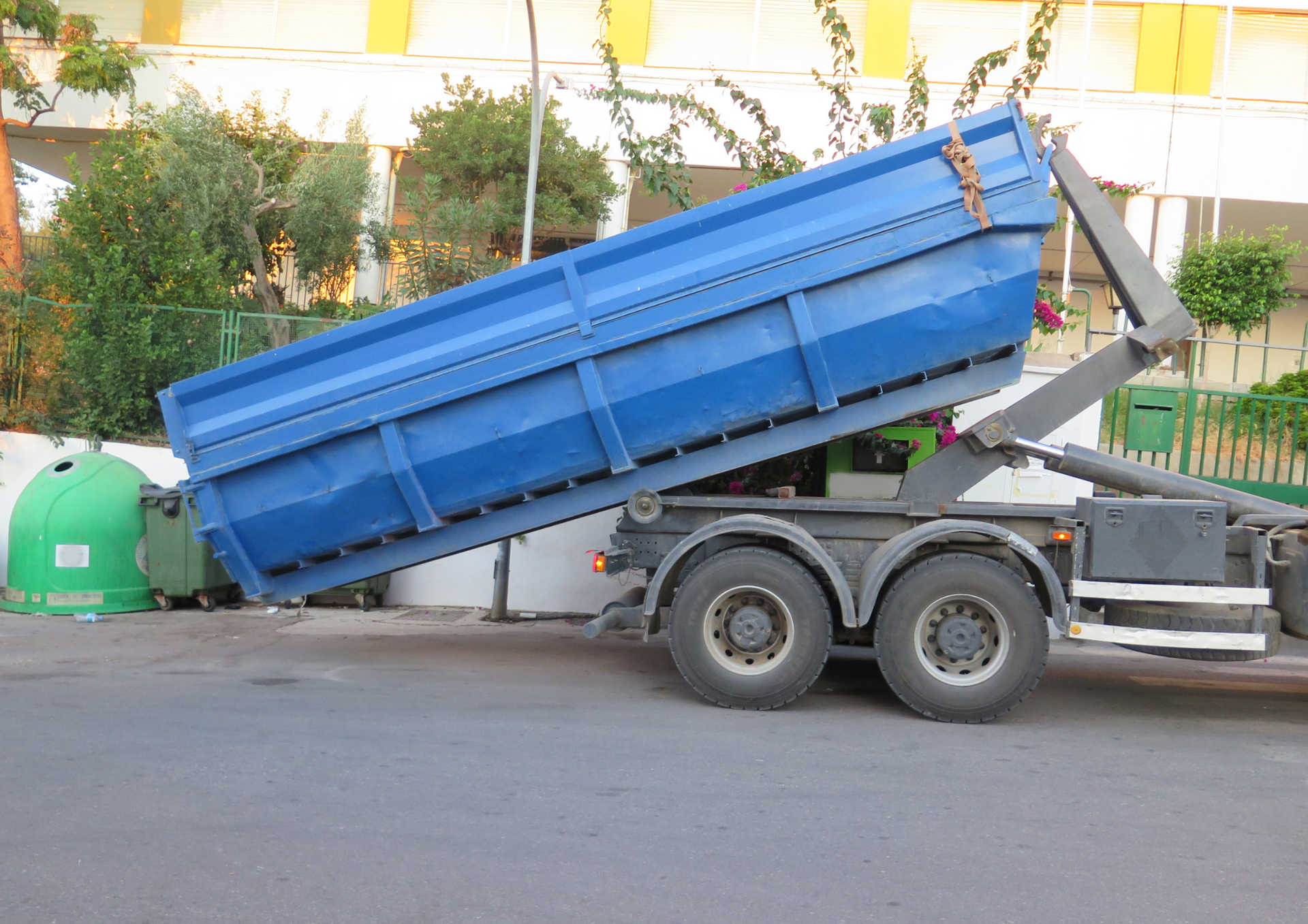

How Project Size Can Influence Skip Hire Prices and Your Budget
The scale of a project has a major influence on how waste needs to be managed. A small household clearance may produce only a limited amount of rubbish, while a complete property renovation, commercial refurbishment or construction project can generate considerably more material. Understanding the likely volume of waste before work begins can therefore make budgeting easier and help prevent unnecessary disruption as the project progresses.
When comparing skip hire prices, it is useful to consider the size of the project alongside the amount and type of waste expected. Larger projects generally require greater capacity, while smaller jobs may be completed efficiently with a more compact option. Choosing carefully can prevent customers from paying for space they do not need or discovering halfway through the work that their chosen container is too small.
For homeowners, landlords, surveyors and local authorities, careful planning can make waste management considerably more straightforward. The same applies to residential and commercial properties where keeping work areas clear may be important for maintaining access and productivity. Estimating waste volumes, considering the project duration and understanding available space before booking can all contribute to a more organised approach.
Project size does not simply determine how much waste will be produced. It can also affect collection requirements, placement, loading arrangements and the overall duration for which waste facilities are required. Taking these factors into account from the beginning helps create a practical waste management plan that supports both the project and the available budget.
Understanding How Project Scale Affects Waste Requirements
Every project generates a different amount and type of waste, so understanding its scale is an important starting point when arranging disposal. Careful assessment allows customers to select suitable capacity and plan how waste will be managed throughout the work. For smaller jobs in particular, researching small skip hire prices can help determine whether a compact option provides sufficient capacity without paying for unnecessary space.
Small Household Projects
- Decluttering a room, clearing a shed or completing minor decorating work will usually produce a relatively manageable quantity of waste.
- Smaller projects can often be completed using compact waste solutions that require less space on a driveway or other private area.
- Estimating the amount of rubbish beforehand helps prevent choosing a container that is unnecessarily large.
- Customers should consider bulky objects as well as the overall quantity because furniture and awkward materials can occupy substantial space even when there are relatively few items.
- Separating reusable or recyclable materials before loading may also help customers make better use of the available capacity.
Medium-Sized Renovations
- Kitchen replacements, bathroom renovations and several-room refurbishments can create mixed materials including old fittings, packaging, timber and general renovation debris.
- These projects usually require more careful estimation because waste may be generated over several days or weeks.
- Considering each stage of the work can provide a clearer idea of the total capacity required.
- Adequate space should be available so that waste can be removed from working areas regularly rather than being allowed to accumulate.
- Customers should also consider whether the project may expand once work begins, particularly when removing old fixtures or materials reveals additional work.
Large Residential Work
- Extensions, major refurbishments and complete property clearances can generate significant quantities of waste throughout several stages.
- A larger project may require greater capacity or carefully planned collections depending on the amount and type of material produced.
- Waste planning should ideally form part of the wider project schedule rather than being treated as an afterthought.
- Keeping access routes clear can make it easier for tradespeople and other workers to move safely around the property.
- Estimating waste before demolition or removal work begins helps reduce the risk of delays caused by insufficient capacity.
Commercial and Public-Sector Projects
- Office clearances, retail refurbishments, property maintenance programmes and larger commercial projects can produce substantial quantities of mixed waste.
- Surveyors and local authorities may need to consider access, project duration and site organisation alongside capacity.
- Waste facilities should be positioned where they can be used conveniently without unnecessarily obstructing normal operations.
- Larger projects may benefit from planning removal around specific phases of work so that completed areas remain organised.
- Clear arrangements for delivery and collection can help minimise disruption to staff, contractors, visitors and neighbouring properties.
Balancing Affordability with Reliable Waste Removal
Budget is naturally an important consideration when planning property work, and waste removal can represent a noticeable part of overall project expenditure. However, choosing purely according to the lowest advertised figure may not always provide the most economical outcome. The service needs to be appropriate for the amount of waste, the site and the timescale involved.
Customers looking for cheap skip hire should therefore consider overall value rather than concentrating solely on the initial quotation. A suitable service should combine reasonable pricing with dependable delivery, appropriate capacity, clear communication and organised collection. Paying slightly less initially may offer little benefit if an unsuitable size results in additional arrangements later.
Accurate project planning is one of the best ways to control expenditure. Before booking, customers can review what work is being completed and identify the materials that are likely to be removed. A single-room refurbishment, for example, will usually have very different requirements from a complete property clearance. Creating a simple estimate of the expected waste makes it easier to choose appropriate capacity.
It is also useful to consider how waste will be generated throughout the project. Some work produces most of its rubbish at the beginning, such as an initial clearance or removal stage. Other projects create waste gradually as different areas are completed. Understanding this pattern can help customers decide how long the container is likely to be required and when collection would be most convenient.
Available space should form part of the decision as well. A large container may provide generous capacity but may not be practical for a restricted residential driveway or a commercial property with limited access. Choosing equipment that suits both the volume of material and the available space can prevent complications when delivery takes place.
Good communication with the provider is equally valuable. Explaining the project clearly gives the company an opportunity to provide practical guidance about capacity and placement. Customers should also establish what materials can be accepted and whether any particular items require separate arrangements. Addressing these questions before work begins can reduce the possibility of unexpected problems.
For landlords and property managers, careful budgeting can be particularly important when managing several maintenance or refurbishment tasks. Organising waste removal alongside the wider schedule can help contractors work efficiently and reduce the amount of material left around a property. Commercial customers can benefit in a similar way by coordinating disposal with different phases of refurbishment or maintenance work.
Ultimately, affordability should be considered alongside reliability. The objective is not simply to secure the lowest figure but to choose a waste removal arrangement that supports the project efficiently and avoids unnecessary additional expenditure.
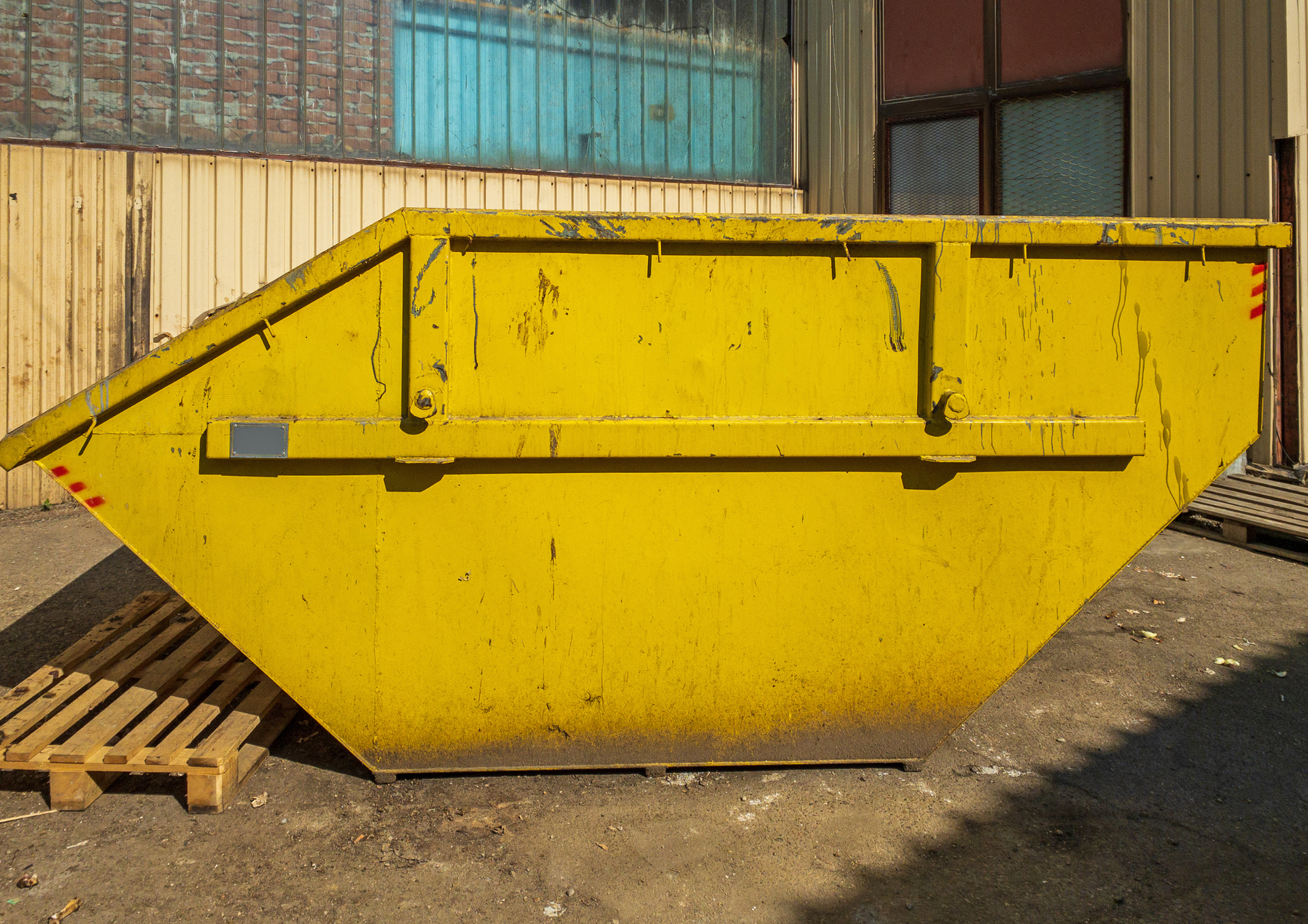
Matching capacity to project scale is one of the most effective ways to manage skip hire prices while keeping waste removal practical. Customers should think about the amount of material expected, how bulky it will be, the available placement area and whether the project is likely to produce additional waste as work progresses.
Clearances and Decluttering
- Household decluttering, garage clearances and loft clear-outs can vary considerably depending on how much has accumulated over time.
- Bulky furniture may occupy more capacity than bags of smaller household items, so volume should be considered rather than simply counting individual objects.
- Sorting possessions before booking can provide a more accurate picture of what actually needs to be removed.
- Items that can be reused or donated may be separated before the remaining waste is loaded.
- Planning the clearance room by room can make the overall volume easier to estimate.
Renovations and Improvements
- Renovation work often produces a mixture of old fixtures, packaging and building-related materials.
- Removing kitchens or bathrooms can generate surprisingly large amounts of waste once cabinets, worktops, fittings and other materials are taken out.
- Customers should consider the entire project rather than only the first stage when estimating capacity.
- Keeping waste contained helps preserve useful working space and prevents debris from spreading around the property.
- Appropriate planning can also make final clearing easier once the improvement work has been completed.
Landscaping and Outdoor Work
- Garden renovations may produce soil, branches, old fencing and other bulky materials.
- Outdoor waste can take up substantial space even when the project covers a relatively small area.
- Customers should identify the main materials before arranging disposal because different waste types may have specific handling requirements.
- Maintaining clear pathways during landscaping work makes it easier to move tools and materials around the site.
- A well-positioned container can reduce the distance waste needs to be carried from the working area.
Larger Commercial Projects
- Commercial refurbishments and office clearances often require greater capacity because work may cover several rooms or departments.
- Waste planning can be coordinated with different stages of the project to prevent material from accumulating.
- Site access should be assessed before delivery, particularly where loading areas or customer parking spaces need to remain available.
- Suitable placement can help contractors dispose of material efficiently while reducing disruption to everyday activities.
- For longer projects, reviewing waste levels regularly can help determine whether collection arrangements need to be adjusted.
Comparing Quotations and Planning Your Overall Budget
Comparing waste removal options becomes easier when customers understand exactly what their project requires. Rather than requesting quotations without considering capacity, access or duration, it is better to gather basic information about the work first. This allows different services to be compared on a more meaningful basis.
People searching for skip hire prices near me should look beyond the headline amount and consider what the quotation covers. Delivery arrangements, collection procedures, hire duration and the suitability of the recommended capacity can all affect overall value. A clear quotation makes it easier to understand what is being provided and reduces uncertainty before booking.
Customers should begin by estimating the amount of waste as realistically as possible. Underestimating can result in insufficient capacity, while significantly overestimating may mean paying for space that remains unused. Where the volume is difficult to judge, explaining the nature of the project to an experienced provider can help identify a practical option.
The expected timescale should also be considered. A weekend household clearance may require a different arrangement from a renovation lasting several weeks. Knowing approximately when work will begin and finish helps customers coordinate delivery and collection with their project schedule.
Access is another important budgeting consideration. Customers should identify a suitable location before booking and make sure there is enough room for delivery. Where placement on private property is not possible, additional arrangements may be required depending on local requirements. Investigating this early helps prevent delays when the project is ready to begin.
It is also sensible to discuss acceptable waste before booking. Certain materials may need different handling, and understanding these requirements in advance helps customers organise disposal correctly. Clear information also prevents unsuitable materials from being placed into the container accidentally.
Residential and commercial customers can both benefit from comparing service quality alongside the quotation. Reliable communication, practical advice and organised collection can contribute significantly to a successful project. A provider that helps customers choose appropriately can often deliver better overall value than one that simply supplies the first available option.
Building waste removal into the project budget from the outset makes expenditure easier to manage. Instead of treating disposal as an unexpected cost towards the end of the work, customers can plan for it alongside labour, materials and other project requirements. This creates a clearer financial picture and helps prevent avoidable surprises.
Project size has a direct impact on waste volume, capacity requirements and the way disposal should be organised. A small household clearance may require only modest capacity, while a substantial renovation, commercial refurbishment or public-sector project can produce much greater quantities of material over a longer period. Understanding these differences before booking makes it easier to plan effectively.
When evaluating skip hire prices, customers should consider overall value rather than simply selecting the lowest figure. Suitable capacity, reliable delivery, organised collection and clear communication all contribute to an efficient service. Choosing according to the actual scale of the project can help avoid paying for unnecessary space while reducing the possibility of requiring additional arrangements later.
Homeowners, landlords, surveyors, local authorities and commercial customers can all benefit from estimating waste carefully before work begins. Considering the type of material, available space, project duration and likely volume creates a stronger basis for making decisions.
Effective waste planning ultimately supports the wider project. It keeps working areas organised, makes budgeting more predictable and helps waste move away from the property in a controlled and responsible manner. Taking a little time to assess the project beforehand can therefore make the entire process considerably more straightforward.
Skip Hire Hinckley provides practical waste removal solutions for customers managing projects of different sizes throughout the local area. We understand that a household clearance has very different requirements from a major renovation or commercial refurbishment, which is why we focus on helping customers select an option that suits the work they are undertaking.
Understanding skip hire cost is easier when customers receive clear guidance about capacity, project requirements and collection arrangements. Our approach focuses on straightforward communication so customers can make informed decisions before booking rather than choosing equipment without understanding whether it is appropriate for their project.
We work with homeowners, landlords, surveyors, local authorities and customers responsible for residential and commercial properties. From smaller clearances to more substantial improvement projects, our aim is to make waste removal simple and well organised. By combining local knowledge with dependable delivery, practical advice and responsible waste handling, we help customers manage their projects efficiently from the initial planning stage through to final collection.
Check out our latest X update on how project size can influence
skip hire prices and affect your overall waste removal budget!
You might also like