
Hiring a Skip for Renovating Older Properties Before You Begin
Older properties often possess character, history, and architectural features that make them highly desirable. Whether restoring a traditional cottage, modernising a Victorian terrace, updating a commercial building, or refurbishing a period farmhouse, renovation work usually produces far more waste than many people expect. Materials removed during demolition, outdated fittings, broken plaster, damaged timber, worn flooring, old bricks, roof coverings, and general construction debris all require careful management throughout the project.
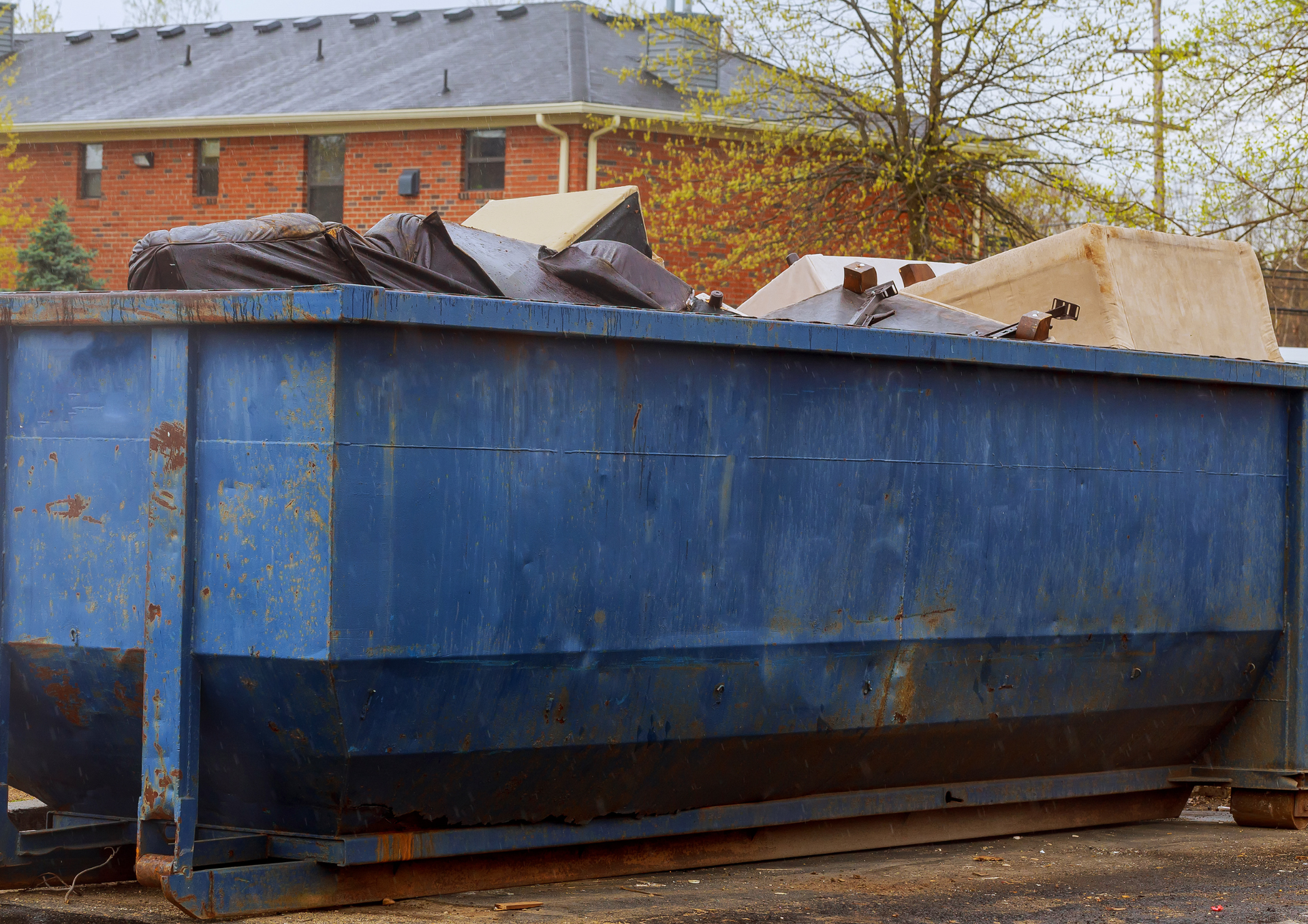
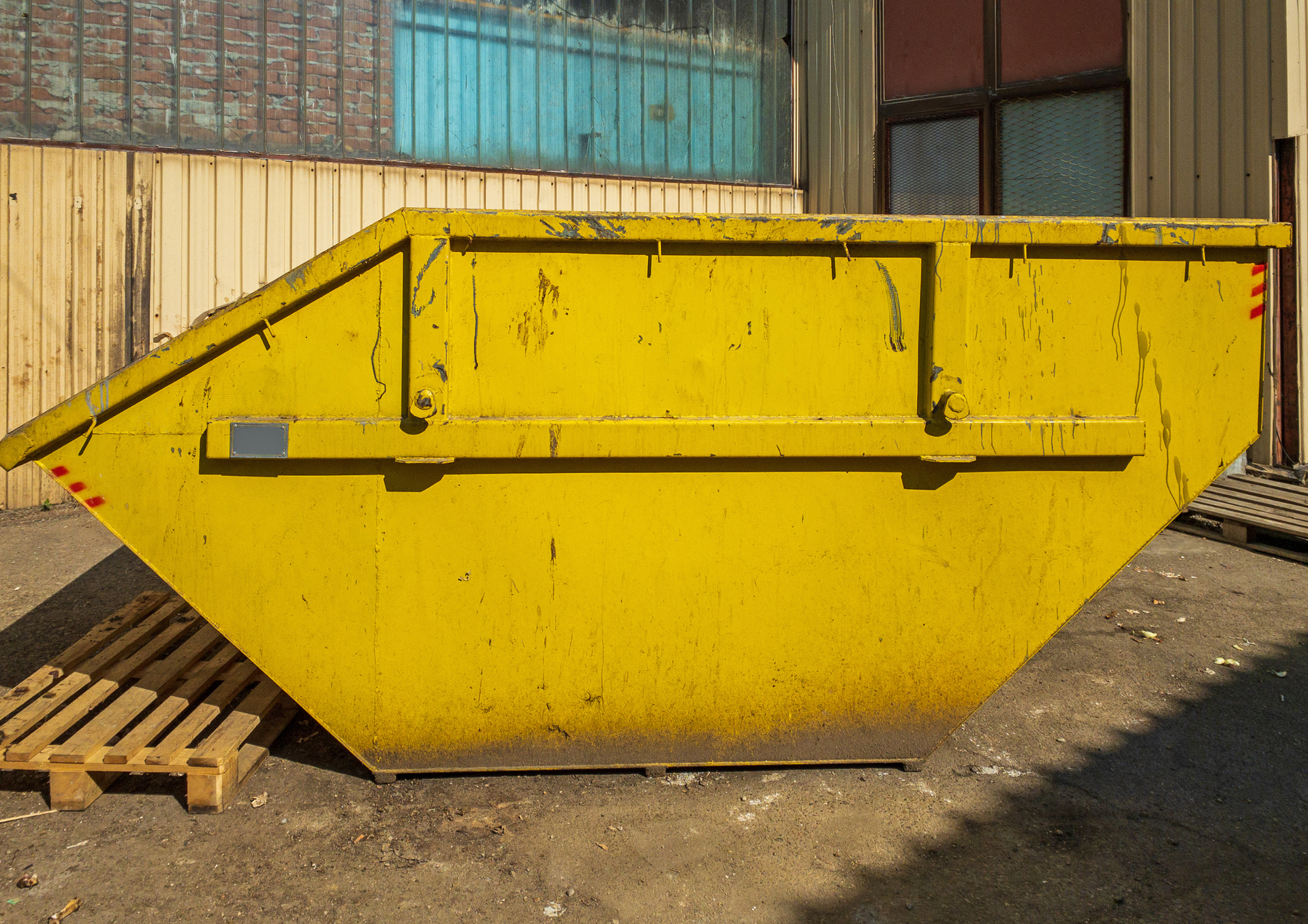
Hiring a Skip before renovation work begins provides an organised way to handle waste from the first day until completion. Rather than allowing unwanted materials to accumulate around the property, a skip offers a designated location where builders, contractors, homeowners, and other trades can dispose of waste safely while keeping the site tidy and accessible.
For homeowners planning improvements, landlords preparing properties for new tenants, surveyors overseeing restoration work, and local authorities managing public buildings, effective waste management contributes to safer working conditions and smoother project organisation. While every renovation differs in size and complexity, planning waste removal from the outset helps minimise disruption and allows each stage of work to progress more efficiently.
Understanding the Challenges of Renovating Older Buildings
Older property renovations often uncover hidden issues that are impossible to identify until work begins. From structural repairs to outdated materials, these unexpected discoveries can generate significant amounts of waste. Planning ahead by Hiring a Skip helps keep the site organised, allowing renovation work to progress safely and efficiently.
Common Challenges During Older Property Renovations
Hidden Structural Issues
- Damaged plaster revealed after removing internal walls.
- Outdated electrical wiring requiring replacement.
- Worn timber concealed beneath old flooring.
- Redundant pipework no longer in use.
- Deteriorated insulation that no longer meets modern standards.
- Rotten roof timbers, damaged felt, or broken roof tiles uncovered during repairs.
Waste Management Challenges
- Unexpected discoveries often create additional construction waste.
- Debris can quickly restrict access to work areas if not removed promptly.
- Accumulated waste may slow progress as tradespeople work around unnecessary obstacles.
- Continuous waste removal helps maintain a cleaner and more efficient working environment.
Managing Different Stages of Renovation
- Demolition, rebuilding, and decorating often take place in separate phases.
- Keeping access routes clear allows multiple trades to work more efficiently.
- Regular waste removal supports smoother transitions between each stage of the project.
- A planned waste solution provides flexibility if additional repair work becomes necessary.
External Renovation Work
- Garden clearance produces soil, vegetation, and general green waste.
- Removing old fencing and sheds creates bulky timber and construction materials.
- Replacing driveways or pathways generates heavy rubble and broken paving.
- Repairing boundary walls and outbuildings often results in large volumes of masonry waste.
Commercial Property Refurbishments
- Office refurbishments frequently generate furniture, partition, and construction waste.
- Retail units may require the removal of fixtures, fittings, and display equipment.
- Hospitality, healthcare, educational, and industrial premises often produce substantial quantities of refurbishment materials.
- Systematic waste management helps keep larger projects organised and on schedule.
Planning Ahead
- Every renovation project develops differently as hidden issues are uncovered.
- Planning waste removal from the outset reduces unnecessary disruption.
- Choosing the appropriate skip sizes helps accommodate expected waste volumes while supporting a more organised renovation process.
Planning Waste Management Before Renovation Begins
Successful renovation starts long before the first wall is removed or the first floorboard is lifted. Careful preparation allows contractors and property owners to anticipate likely waste volumes while coordinating deliveries, equipment, and project timelines more effectively.
Surveying the property before work begins provides valuable insight into the likely amount of waste that will be generated. Existing fixtures, kitchen units, bathroom suites, floor coverings, windows, doors, roofing materials, landscaping elements, and decorative finishes all contribute to the overall volume of material requiring removal.
Preparing a waste management plan also helps coordinate different stages of the renovation. Rather than allowing materials to accumulate until the project is complete, waste can be removed continuously as each phase progresses.
For example, demolition waste may be cleared first, followed by roofing materials, old plaster, timber offcuts, packaging from new building supplies, and finally decorating waste generated during finishing work.
Maintaining this structured approach creates a safer working environment while making it easier for contractors to move equipment, access different areas, and carry out installations without unnecessary obstructions.
Space should also be considered before arranging delivery. Positioning the skip where it remains easily accessible while avoiding unnecessary interference with deliveries, pedestrian routes, or neighbouring properties helps improve day-to-day efficiency throughout the project.
Projects carried out on residential streets sometimes require additional planning depending on available parking or site access. Early organisation reduces the likelihood of delays once construction work is underway.
Property owners increasingly appreciate the convenience of arranging skip bins online, allowing waste management to be organised alongside other renovation preparations without unnecessary administrative delays.
Some renovation projects produce different categories of waste that benefit from being separated where practical. Timber, metal, brick, concrete, plasterboard, packaging, and green waste may all arise during various stages of refurbishment. Organising disposal responsibly throughout the project contributes to more efficient processing once materials leave the site.
Planning also allows realistic expectations for project progress. Renovations on older buildings rarely follow an entirely predictable schedule, but organised waste removal helps minimise avoidable interruptions while allowing contractors to focus on completing restoration work efficiently.
Whether renovating a family home, converting commercial premises, restoring a listed-style property, or modernising rented accommodation, careful preparation supports a smoother experience from beginning to end.
Keeping Renovation Projects Safe, Organised, and Efficient
Renovation work often involves multiple trades working within the same property over several weeks or even months. Builders, electricians, plumbers, carpenters, roofers, decorators, and flooring specialists all require sufficient working space to carry out their tasks safely and efficiently. Allowing waste to build up can quickly reduce available space and make everyday activities more difficult than necessary.
A dedicated skip helps maintain better organisation throughout the project. Rather than stacking unwanted materials in gardens, driveways, hallways, or unused rooms, waste can be placed directly into the skip as work progresses. This simple approach keeps pathways clearer and reduces unnecessary handling of heavy or awkward materials.
An organised site also makes it easier to identify reusable items before disposal. Older properties sometimes contain original features, quality timber, decorative stonework, metal fixtures, or architectural details that may be restored or incorporated into the finished project. Separating these items before general waste disposal supports more careful project management.
Good housekeeping also contributes to improved productivity. Contractors spend less time moving debris out of the way and more time focusing on their specialist work. Clear access benefits deliveries of building materials, installation of new fixtures, and movement of equipment throughout the property.
External areas deserve equal attention. Gardens, courtyards, parking spaces, and access routes often become temporary working areas during renovations. Keeping these spaces free from unnecessary waste improves accessibility while creating a more professional working environment for everyone involved.
Projects involving several phases benefit particularly from continuous waste removal. Once demolition is complete, attention shifts to repairs, rebuilding, installations, decorating, and final finishing. Clearing waste between each phase allows every stage to begin with a clean and organised workspace.
For many property owners, convenience is equally important. Searching for skip hire near me can help identify a reliable local provider capable of delivering and collecting skips at suitable times to support the overall renovation schedule.
Communication between everyone involved also plays an important role. Builders, project managers, property owners, surveyors, and suppliers all benefit from understanding where waste should be placed and when collections are expected. Good planning reduces interruptions and keeps the renovation moving forward.
Older buildings can often reveal unexpected issues that generate additional waste. Remaining flexible while maintaining an organised disposal process allows projects to adapt without unnecessary disruption. Whether replacing structural timbers, removing damaged brickwork, upgrading insulation, or modernising interiors, efficient waste management supports each stage of the refurbishment.
Choosing the Right Skip for Different Renovation Projects
Selecting the right skip is an important part of planning any renovation project. Every property generates different types and volumes of waste, so understanding your project requirements helps ensure waste is managed efficiently from start to finish.
Consider the Scale of Your Renovation
- Small renovations, such as bathroom updates, kitchen replacements, decorating, or minor repairs, usually produce manageable amounts of waste.
- Medium-sized projects involving several rooms, roof repairs, landscaping, or structural alterations often require additional waste capacity.
- Full property refurbishments generally generate substantial volumes of waste over an extended period and benefit from consistent waste management throughout the project.
Estimate Waste Before Work Begins
- Assess the likely amount of waste before renovation starts.
- Match the skip size to the expected volume of materials.
- Avoid unnecessary interruptions caused by overfilled skips or frequent exchanges.
- Discuss the project with contractors to gain a more accurate estimate of waste requirements.
Consider the Types of Waste
- Heavy materials such as bricks, concrete, tiles, and soil require careful planning.
- Timber, plaster, metal, glass, insulation, and general construction debris all vary in weight and volume.
- Understanding the materials being removed helps ensure the most suitable skip is selected for the project.
Book Your Skip Early
- Arrange delivery before renovation work begins, particularly during busy periods.
- Coordinate delivery and collection with key project milestones.
- Having the skip available when needed helps maintain continuous progress throughout the refurbishment.
Balance Cost with Reliability
- Many property owners search for cheap skip hire when managing renovation budgets.
- While affordability is important, dependable delivery, prompt collections, and responsive customer service often provide greater long-term value.
- A reliable skip provider helps keep renovation work organised and minimises unnecessary delays.
Support a Well-Managed Renovation
- Effective waste management is an important part of overall project planning.
- Regular waste removal helps maintain a cleaner and more organised worksite.
- Choosing the right skip allows renovation work to progress more efficiently with fewer interruptions, whether refurbishing a traditional home or upgrading a commercial property.
At
Skip Hire Hinckley, we understand that every renovation project is different. We provide dependable skip hire solutions that help homeowners, landlords, businesses, surveyors, and public organisations manage waste efficiently throughout every stage of refurbishment. Our straightforward booking process, prompt deliveries, and reliable collections make planning easier while helping projects remain organised from beginning to end.
We offer a wide range of skips suitable for projects of all sizes, whether you are clearing a single room or undertaking a complete property renovation. Our team is committed to providing practical advice, dependable service, and responsible waste management that supports residential and commercial developments alike. With a strong focus on reliability and customer care, Skip Hire Hinckley is ready to help make your next renovation project as efficient and well organised as possible.
Hiring a Skip remains one of the simplest ways to maintain an organised renovation site, allowing every stage of your project to progress with confidence.
Check out our latest X update on
hiring a skip for renovating older properties before you begin, with practical tips to help your project run smoothly! 🏚️
You might also like